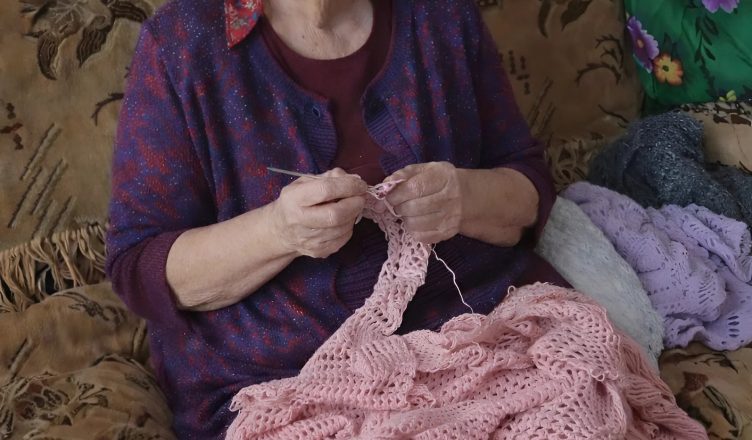
Cooking, tidying up, and spending time with her grandson. In the evenings, we sat together, talked, and I honestly believed I had made the right decision.
But very soon, things began to surface that I was completely unprepared for.
At first, it was small details. My mother started subtly “rearranging” our home according to her own standards. She moved things around in the kitchen, reorganized the fridge, and threw away what she considered unnecessary. My wife tried not to react at first, but I could see it bothered her deeply. After all, it was her home, her space — and someone else was slowly imposing different rules.
Then came the remarks. And they weren’t just suggestions anymore — they turned into open criticism. My mother would say that my wife “couldn’t cook properly,” that she was “raising the child the wrong way,” or that she “didn’t know how to run a household.” At first, it sounded like concern, but over time, her tone became sharper and more judgmental. Every comment left a mark.
I tried to smooth things over. I explained to my mother that times had changed and everyone has their own way of doing things. I told my wife that my mother didn’t mean harm — she was simply used to a different lifestyle. But deep down, I could feel the tension growing.
The breaking point came during what should have been an ordinary dinner.
We were sitting at the table when my mother once again criticized how we were raising our son. She said we were “too soft” and that “children used to know their place.” This time, my wife couldn’t hold back and responded sharply. A heavy silence filled the room. And then everything shifted.
My mother took it personally. She stood up and said a sentence I still can’t forget:
“If I’m not welcome here, just say it.”
From that moment on, everything went downhill.
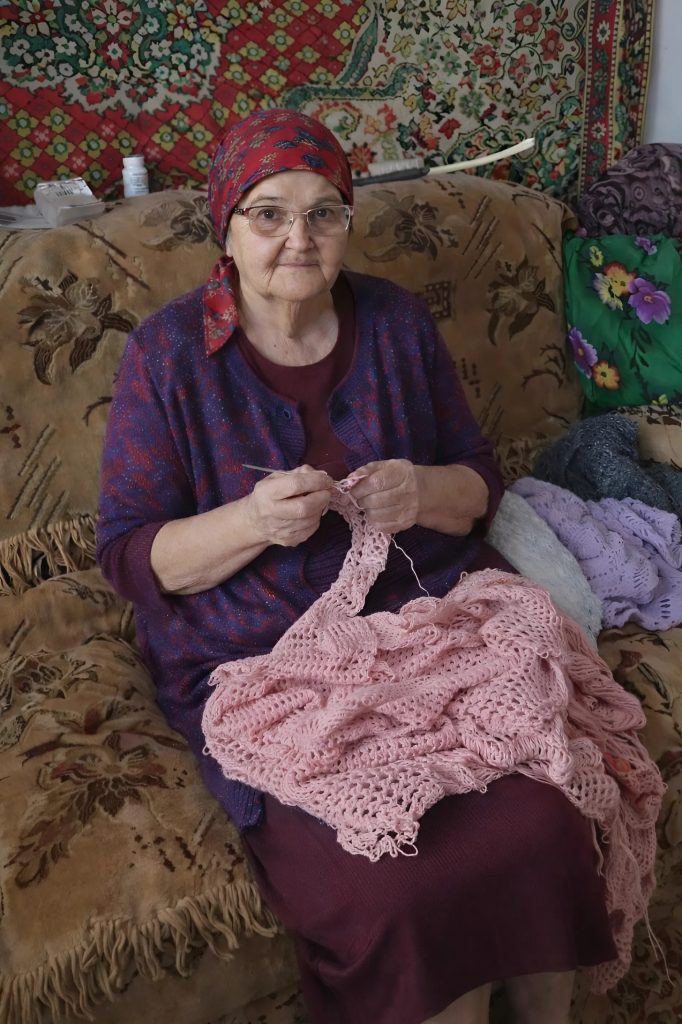
Our home, once calm and warm, turned into a place filled with tension. My mother became more withdrawn, yet continued making sharp remarks. My wife started avoiding conversations, spending more time alone in another room. The atmosphere became suffocating, as if an invisible conflict was constantly hanging in the air.
But the worst was still ahead.
One day, I came home earlier than usual and heard raised voices. My mother and my wife were arguing. And this time, it wasn’t about cooking or cleaning — they were talking about me.
My mother said I was “too controlled by my wife” and that “a real man wouldn’t allow this.” My wife, in turn, said I “didn’t know how to stand up for my family” and that I had put her in a situation where she had to endure constant pressure.
I stood behind the door, frozen, unable to believe what I was hearing.
That’s when I realized I had made a serious mistake.
I wanted to help my mother. I wanted to protect her from loneliness. But instead, I had put my own family at risk. I found myself caught between two women: the one who gave me life and the one I’m building my life with.
And the hardest part is — there is no choice that doesn’t cost you something.
A few days later, we sat down and had an honest conversation. It wasn’t easy. No sugarcoating, no pretending. I said clearly that things couldn’t go on like this. That I didn’t want to lose either my mother or my wife, but in this situation, we were hurting each other.
My mother was silent for a while, then quietly said she never wanted to become “a burden.” My wife admitted she had tried to be patient, but she simply couldn’t anymore.
In the end, we made a difficult decision.
My mother moved back to her own apartment. I helped arrange support for her, started visiting more often, calling regularly, and taking care of practical matters. Our relationship didn’t break — in fact, it became calmer and warmer. But each of us regained our own space.
And I learned something important from all of this.
Helping your parents is right. It’s human. But living under the same roof doesn’t always bring people closer — sometimes, it does the opposite. Everyone has their own boundaries, habits, and way of life. And when those worlds collide too closely, even the closest people can end up hurting each other.
Sometimes, love doesn’t mean living together.
Sometimes, love means keeping just enough distance to preserve respect, peace, and the relationships that matter most.